
King Abdullah Port, Saudi Arabia · 9 to 17 June 2026
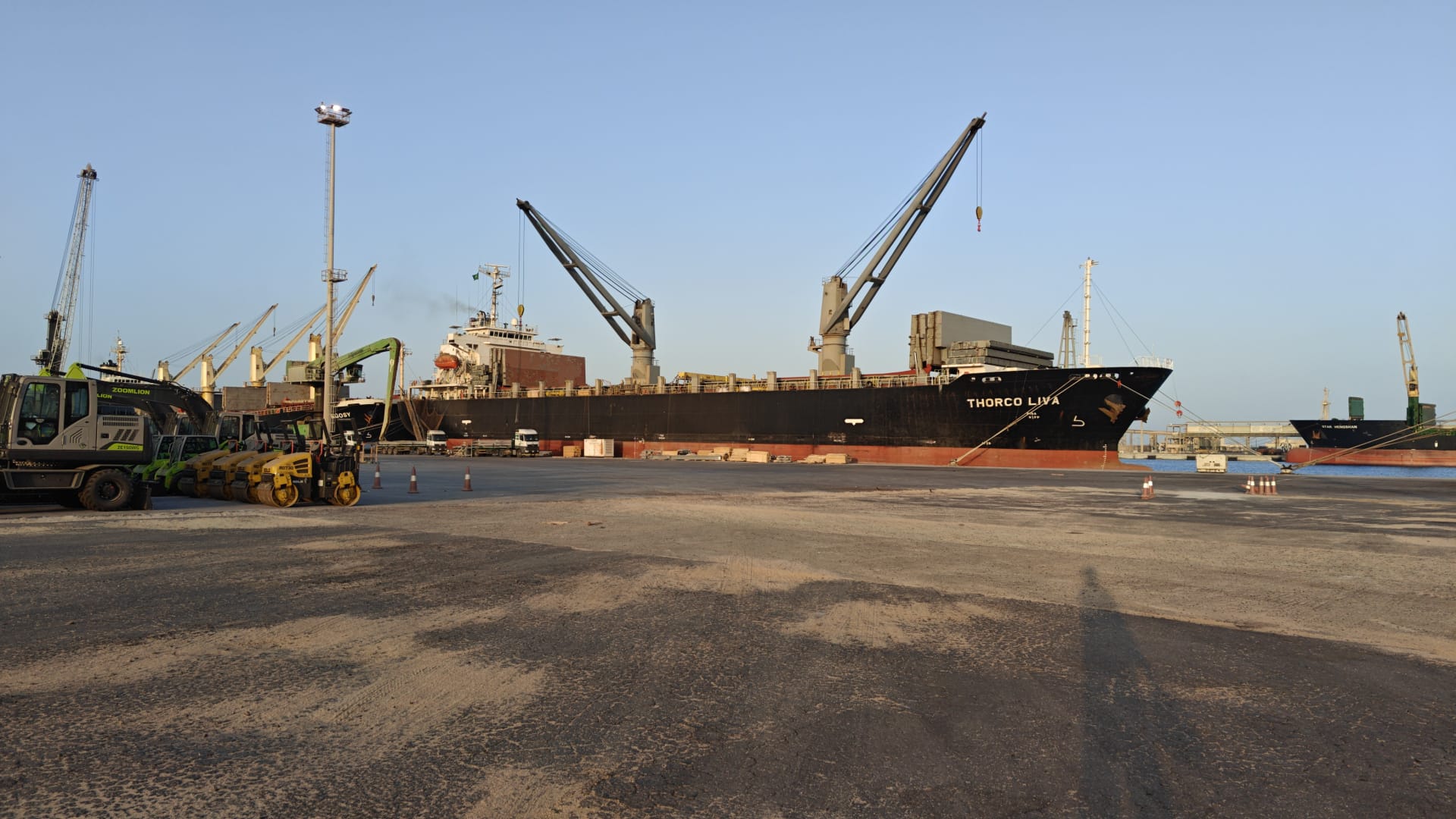
| Project | Cargo loading supervision and survey, port captain attendance |
| Client | Ship owner, M/V Thorco Liva |
| Contractor | AK Marine (ARN OÜ) |
| Vessel | M/V Thorco Liva |
| Location | King Abdullah Port, near Jeddah, Saudi Arabia |
| Period | 9 to 17 June 2026 |
| Team | Two AK Marine port captains, mobilised from Estonia |
The Project
AK Marine was called to King Abdullah Port, north of Jeddah, to act on behalf of the ship owner during the loading of a project cargo: fabricated steel structures bound for a gas plant in the United States. Two of our port captains flew from Estonia to attend the vessel and stayed with the operation from the first lift to departure.
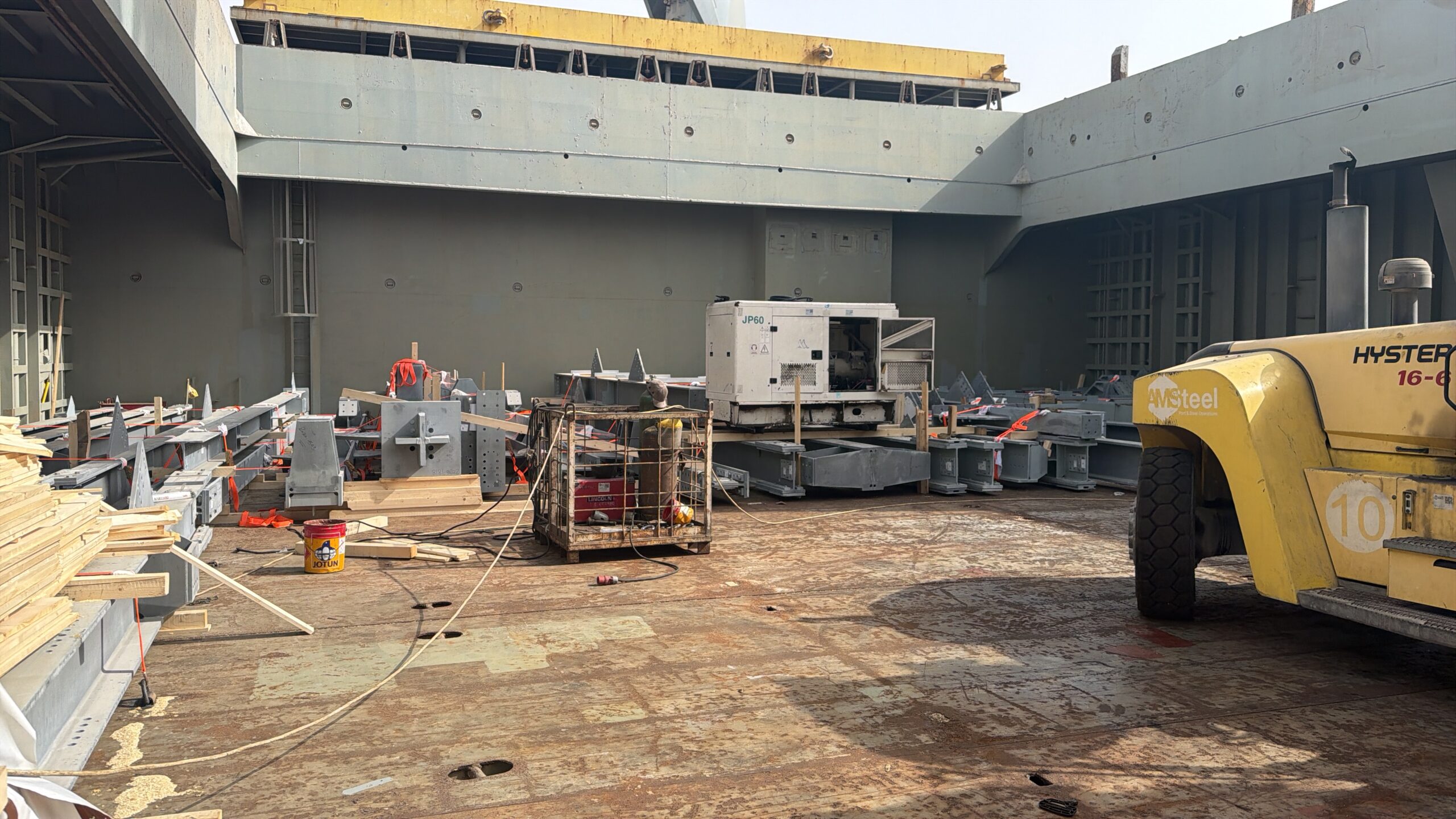
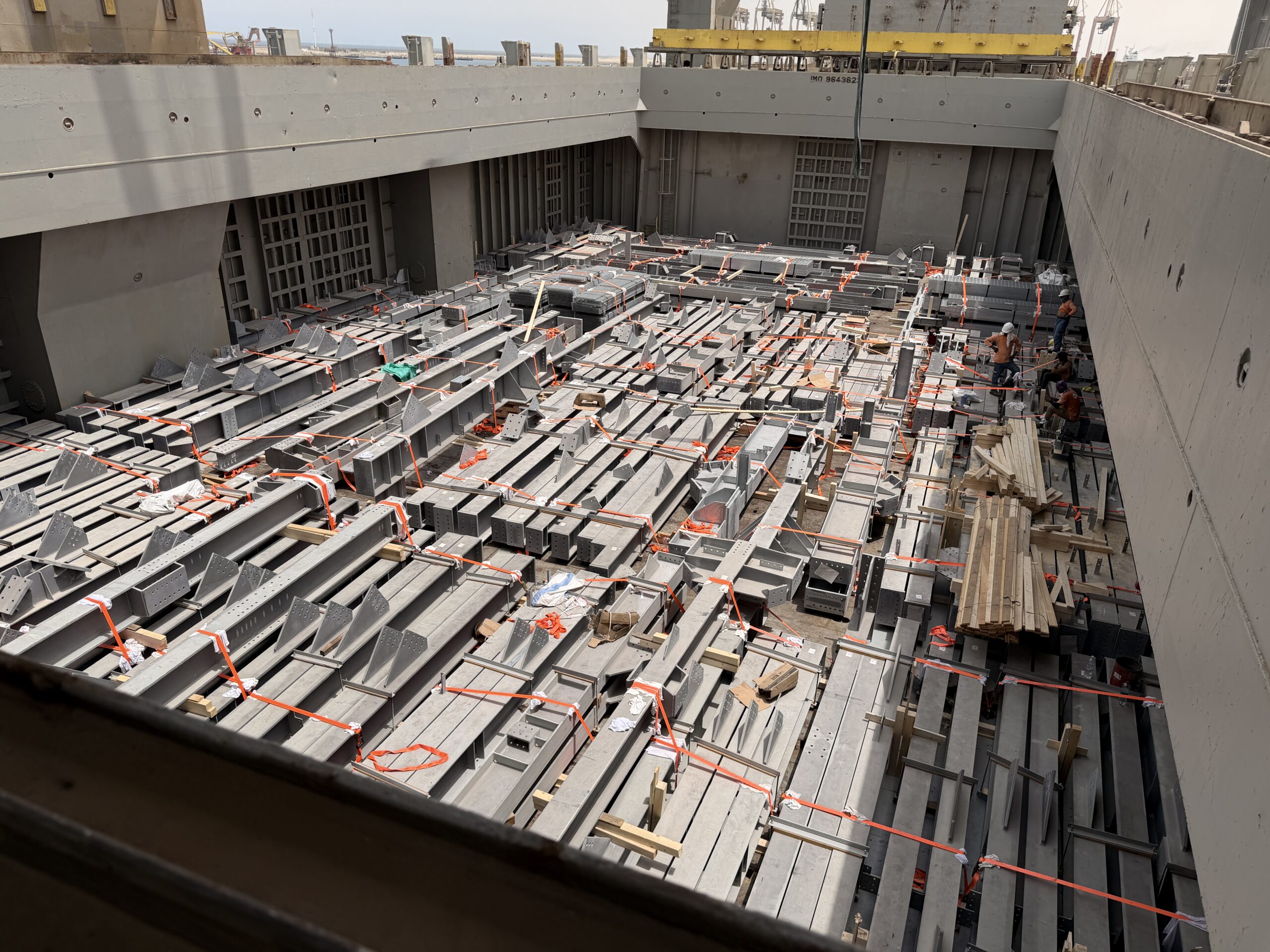
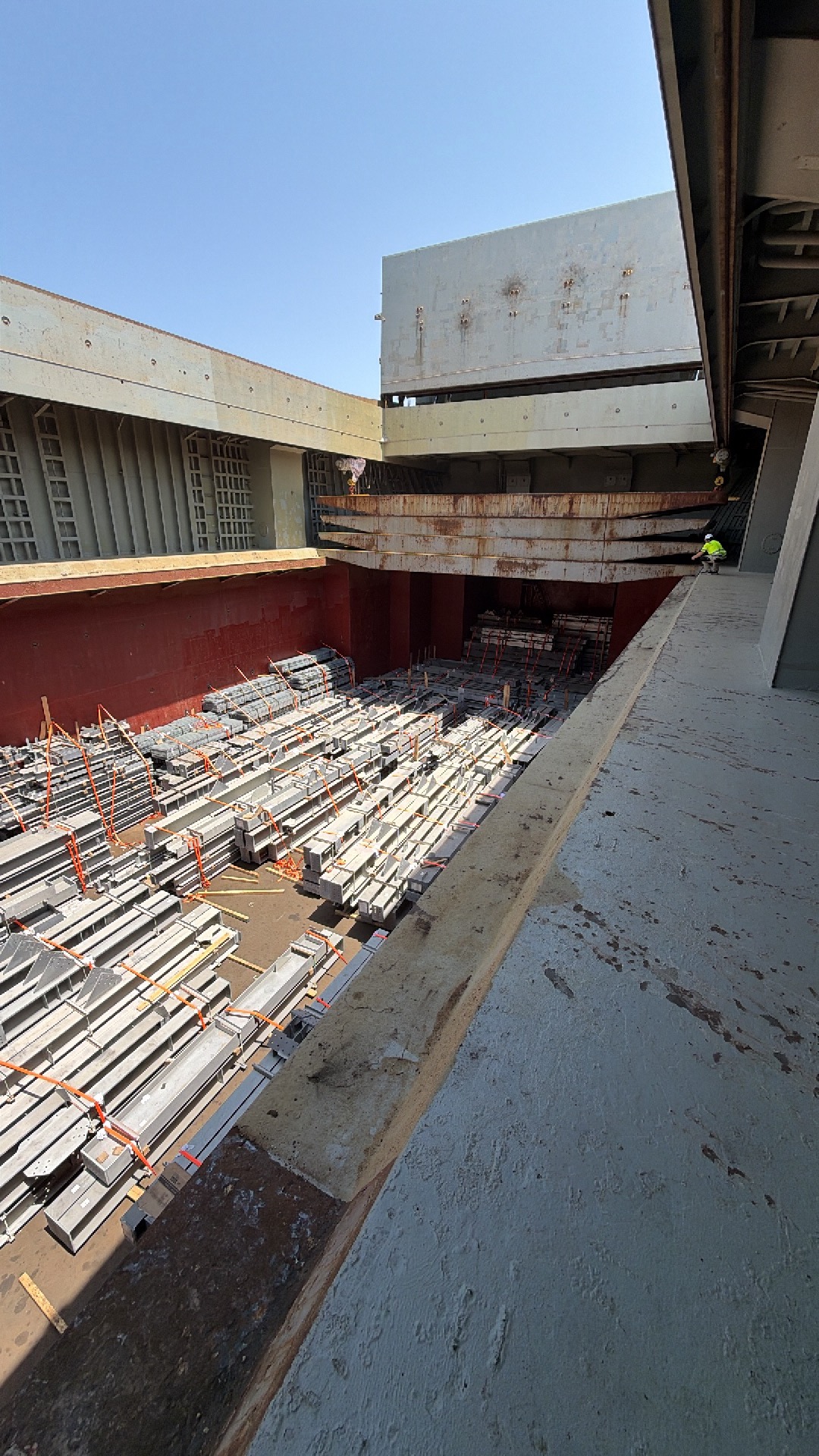
Thorco Liva has two holds, each with a tween deck, which gave four separate stowage areas to plan and check. Once the holds were closed, the hatch covers were loaded with a single tier of containers on top.
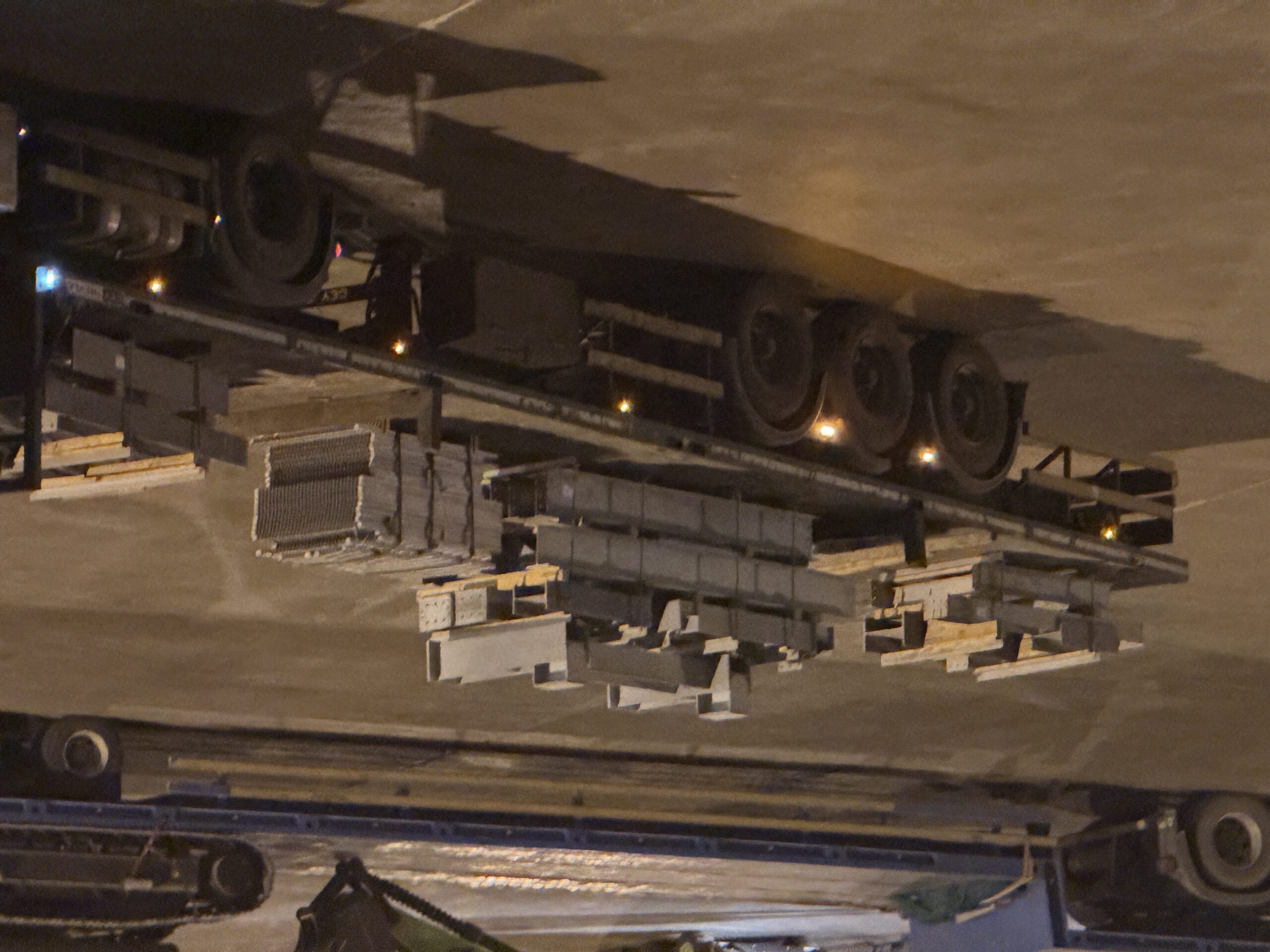
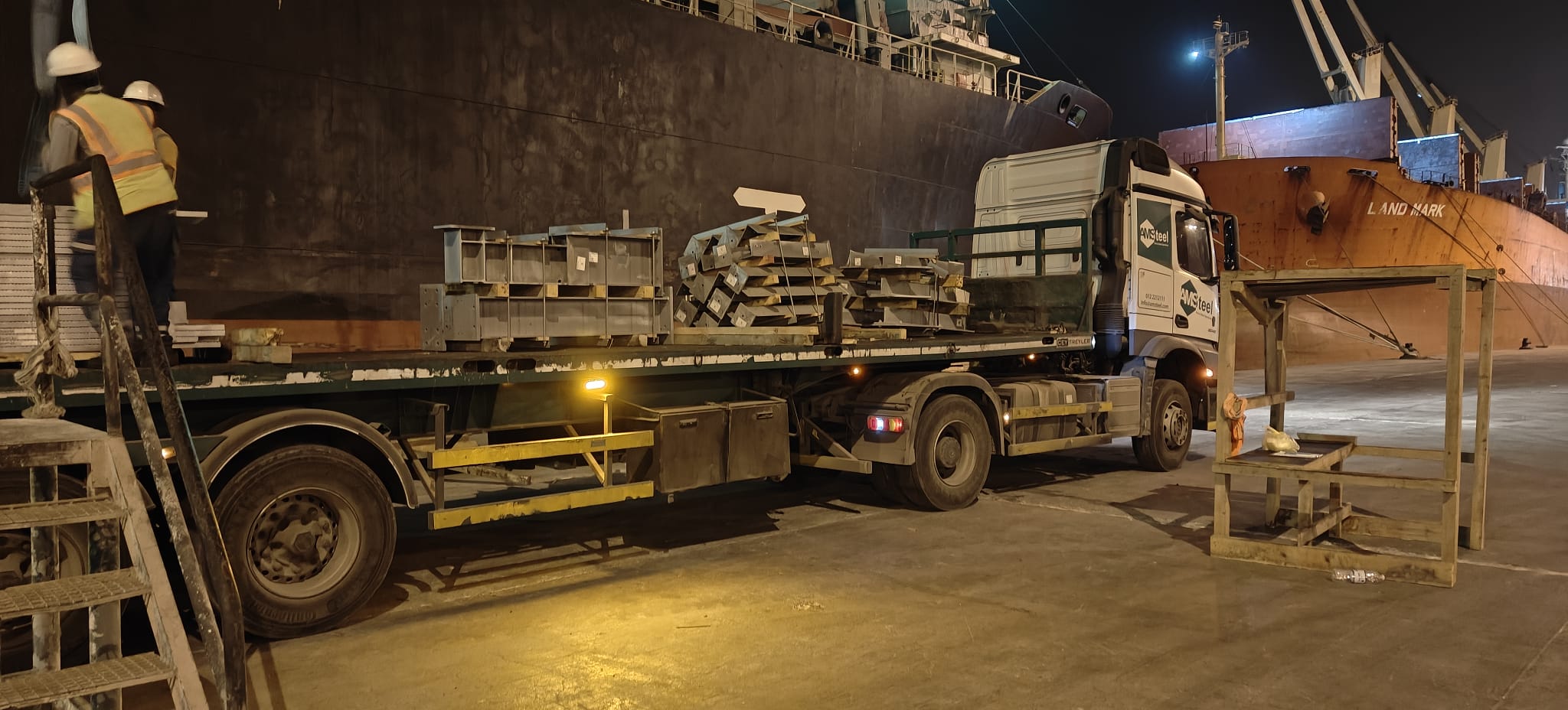
The structures were trucked into the port area, then moved one by one to the ship’s side by harbour trucks and lifted aboard by the vessel’s cranes. Deliveries continued through the night as loading ran without a break.
Scope of Attendance
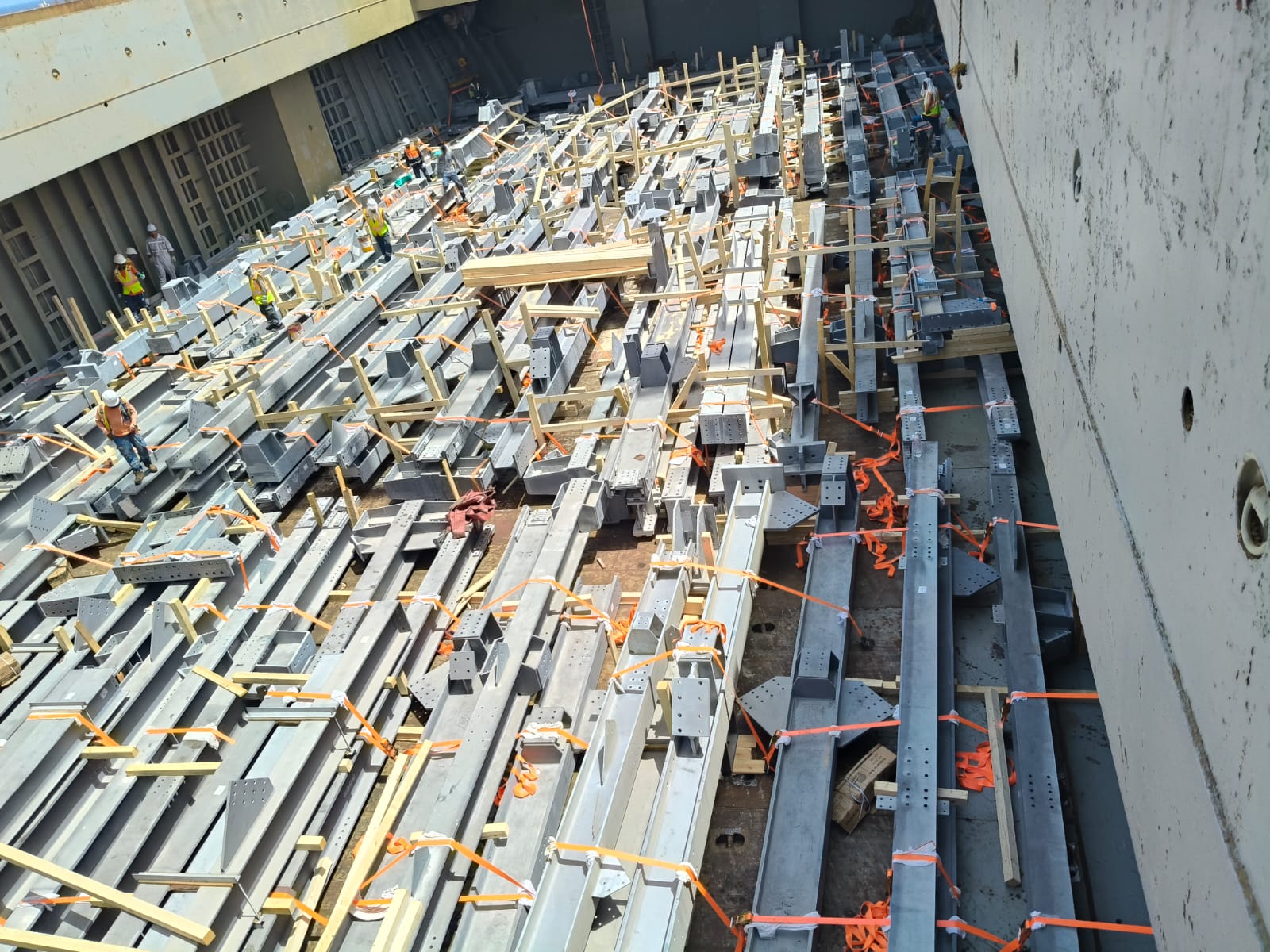
Loading plan: Our first duty was to make sure the approved loading plan was actually followed on deck and in the holds. Each of the four stowage areas was checked against the plan as it filled, so that any deviation was picked up while it could still be corrected cheaply.
Dunnage and securing: We checked that dunnage was correctly placed under and between the structures, and that every piece was lashed and secured so that nothing could move once the vessel was at sea. On a long ocean passage with steelwork of this shape securing is crucial.
Cargo completeness: We counted and registered the cargo throughout and confirmed at the end that every piece booked for the voyage was physically onboard before the vessel closed up and sailed.
Lifting operations: All pieces were lifted using the vessel’s own cranes. That meant working closely with the crane drivers, banksmen and slingers on every lift, alongside the welders who welded padeyes to the deck for securing, and the stevedores and forklift drivers moving cargo below.
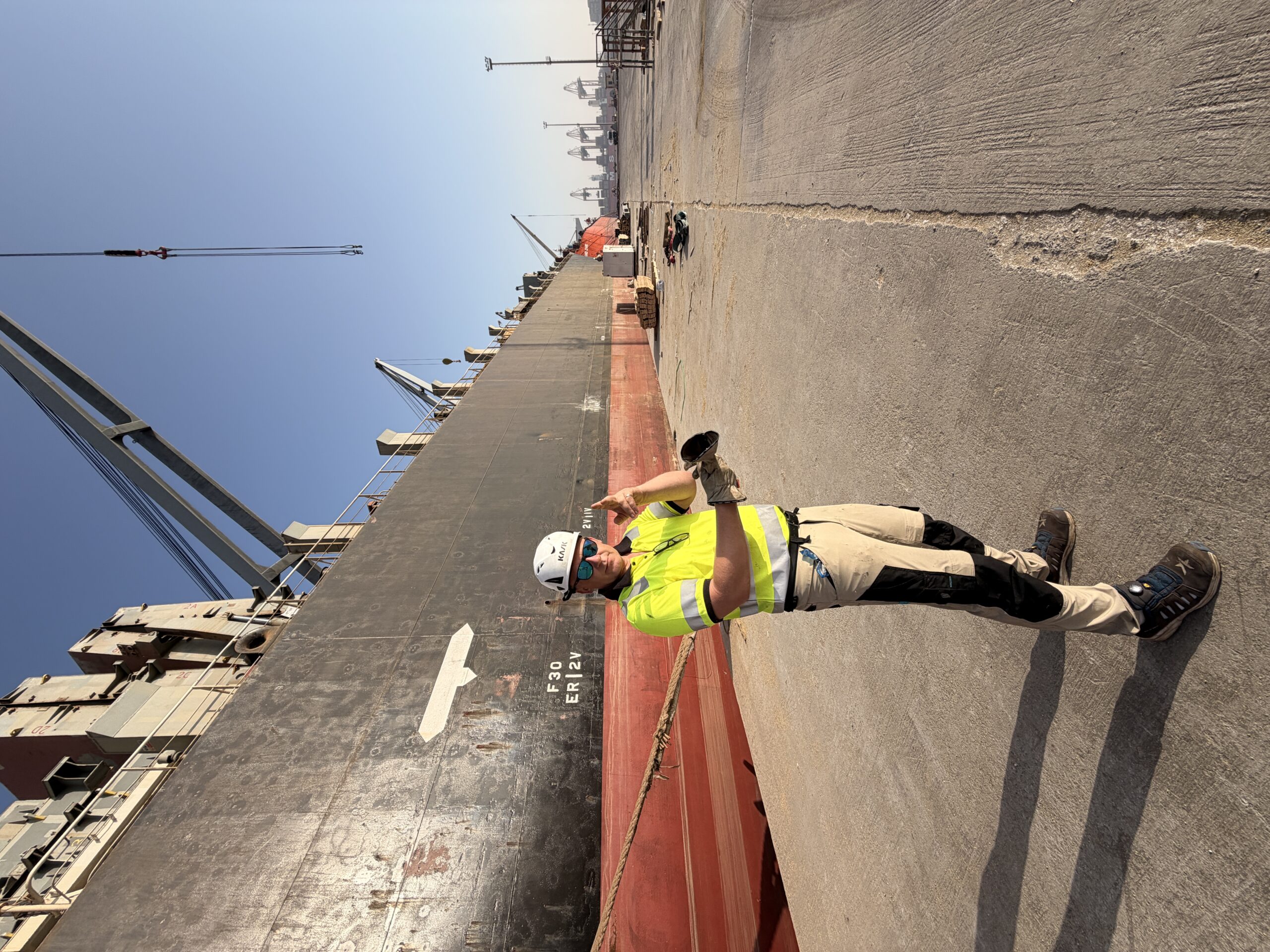
Round the Clock Loading Under Time Pressure
Loading ran 24 hours a day with local stevedore gangs, which meant our two port captains covered the operation in shifts so that there was always a surveyor watching the work.
Coordination was a real part of the job. The vessel’s crew was mainly Chinese, the stevedores and drivers were local, and the loading plan came from the operator, so a lot of effort was put simply into making sure everyone on the quay and in the hold understood the same plan the same way.
The berth was needed for other traffic. Once loading finished the vessel still had to shift to the container terminal and get away, with further ships already waiting at anchorage.
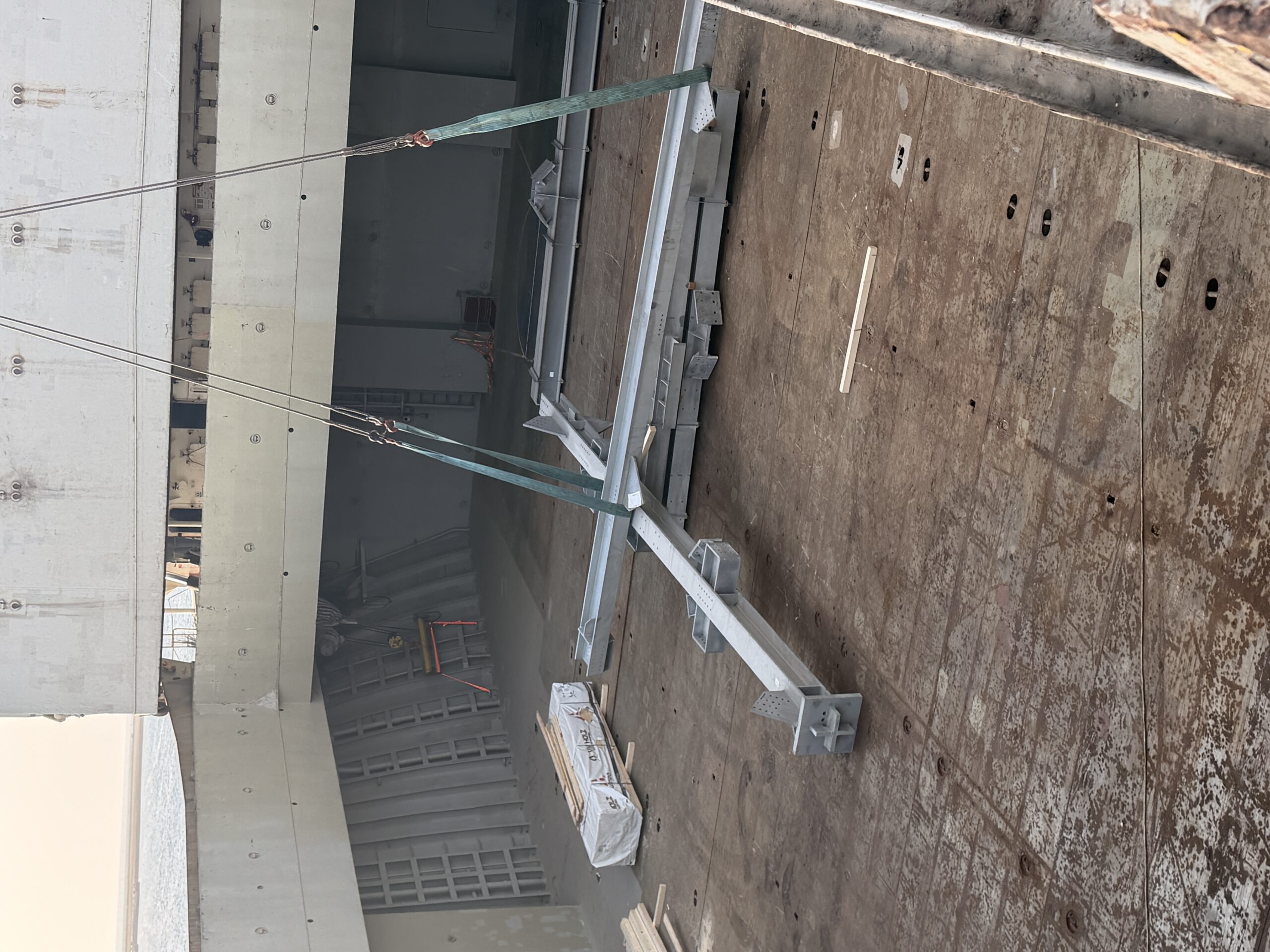
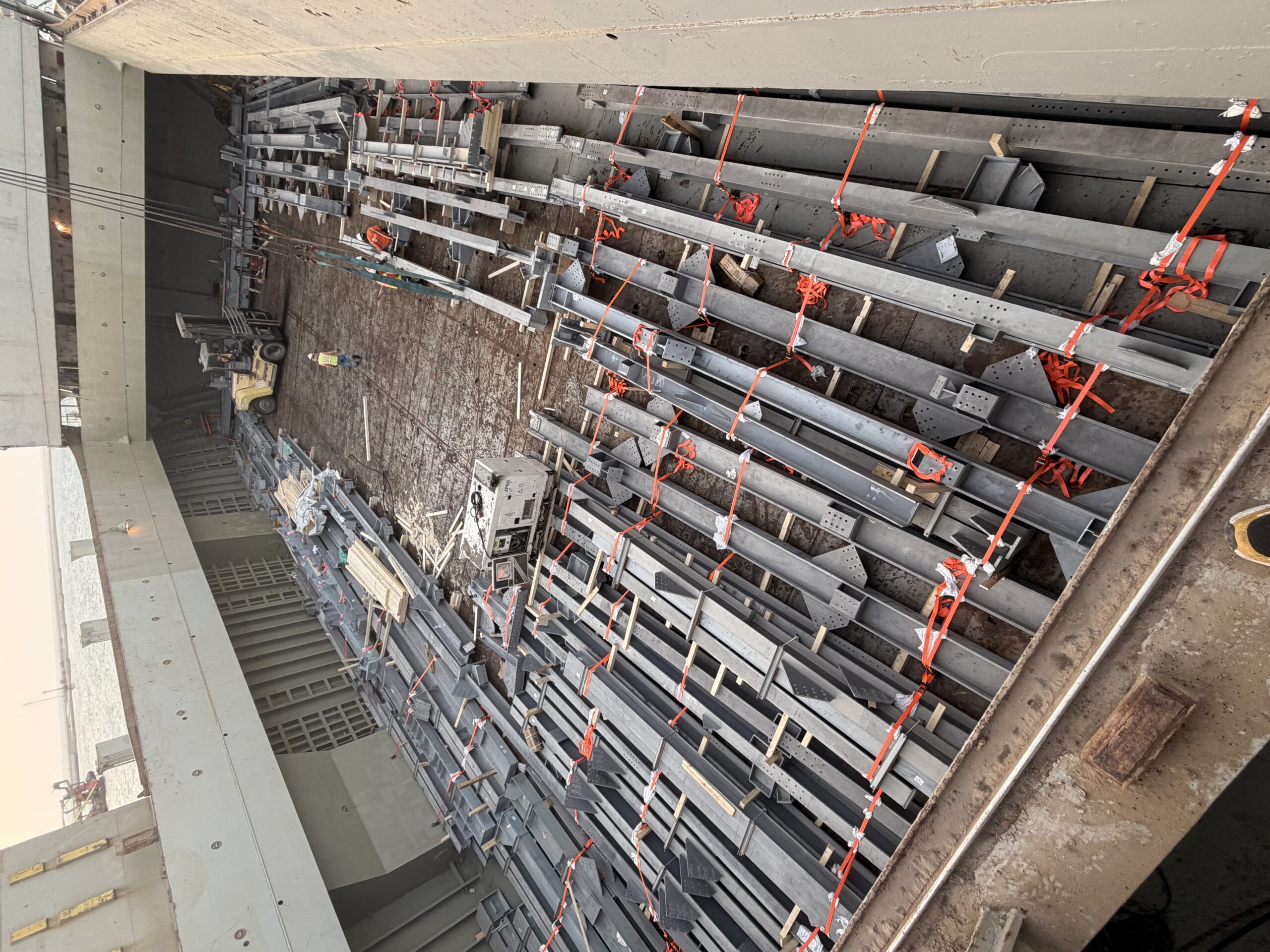
Safety Oversight
All operations were carried out safely and without incident, but that was not simply a matter of watching. The local stevedore gangs were not working to the safety standard we expect on this kind of job, so our surveyors intervened: we insisted on additional personal protective equipment and on correct working procedures around suspended loads before work continued.
Holding that line under a 24 hour schedule and real commercial pressure is not always comfortable, but it is exactly what a client is paying a port captain to do. The operation finished with no injuries and no cargo damage.
Results
| Work focus | Status |
|---|---|
| Hold 1 and tween deck, loaded, stowed and secured | Completed |
| Hold 2 and tween deck, loaded, stowed and secured | Completed |
| Single tier of containers on hatch covers | Completed |
| Loading plan compliance across all four areas | Verified |
| Dunnage placement and cargo securing | Verified |
| Final tally, all booked cargo onboard | Confirmed |
| Safety oversight during operations | No incidents |
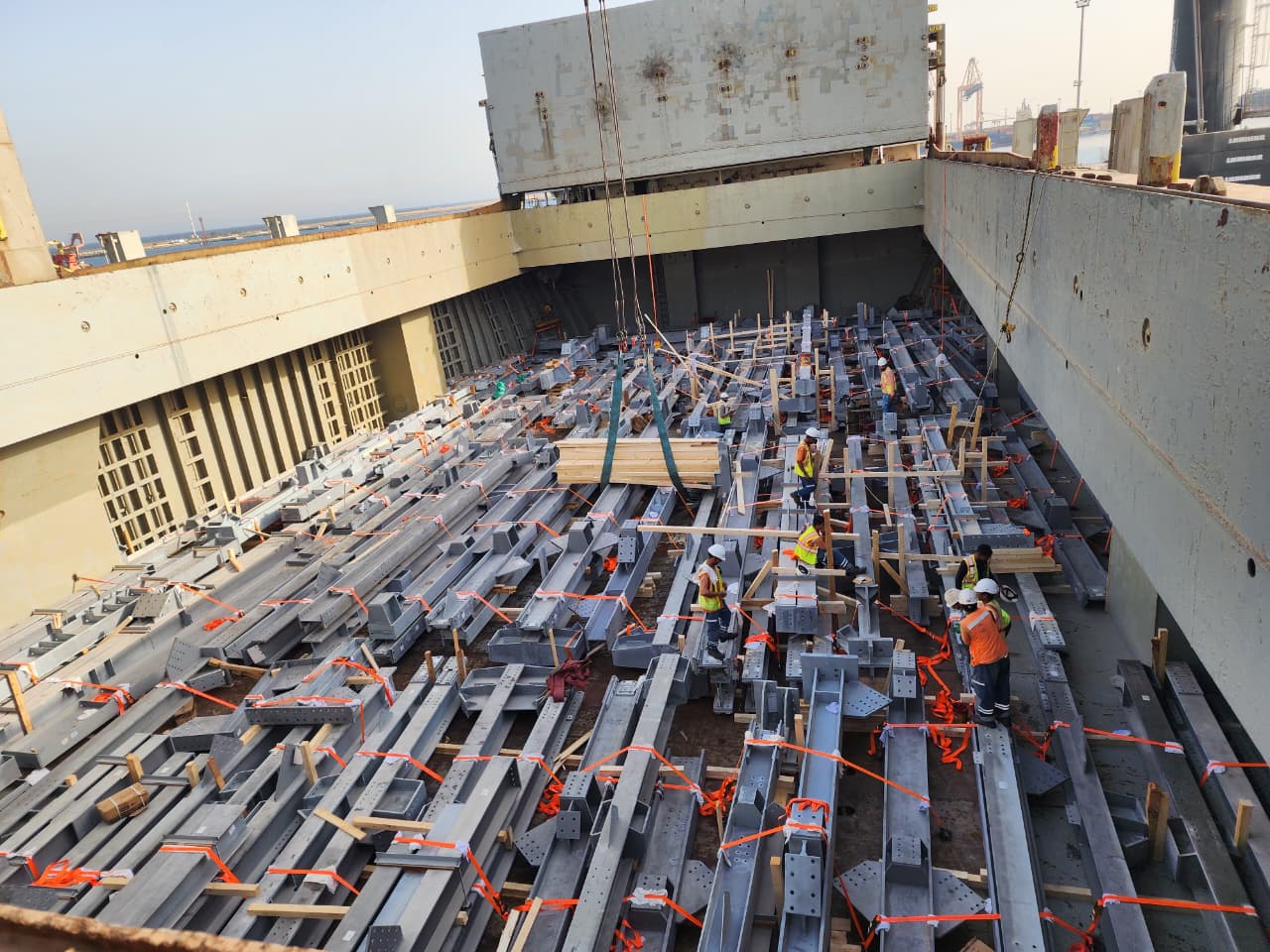
This project shows AK Marine’s ability to place experienced port captains anywhere in the world at short notice, to protect the client’s cargo and schedule at the same time, and to raise the safety standard of an operation rather than simply record it.